

Dear Alexandre, Dear Sam,
I’m back in Jerusalem, writing to you from the comfort of a guesthouse that’s part of a cathedral over one hundred years old. It’s relatively quiet save for the traffic outside my window, my room is sparse but pleasant, with archways defining a ceiling three times my height, and a garden a few steps away that a travel enthusiast would probably label as quaint or charming.
I do my best to appreciate my surroundings, but doing so after a trip to Gaza only compounds the conflicting thoughts I have in processing what I’ve just experienced. I have felt sadness and anger, frustration and disbelief, despondency and despair; yet in equal measure I have seen tenacity and hope, cheerfulness and gentleness, dedication and stoicism.
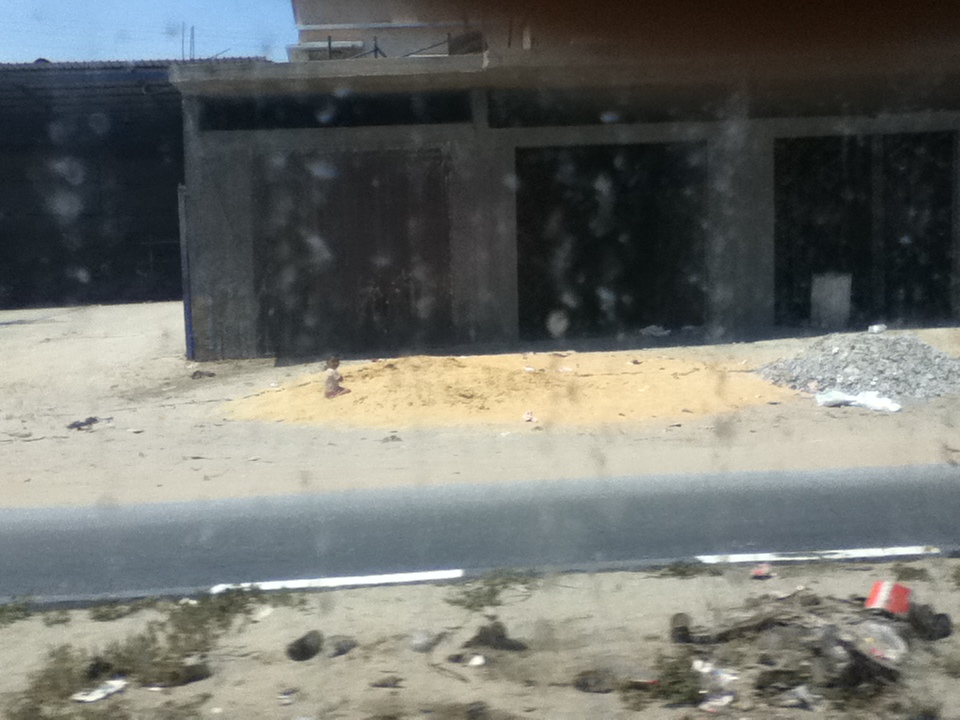
Over three years ago, in my first letter to you from Gaza, I described the beach view from my hotel window as “beautiful, and it’s full of garbage.” This time, my hotel offered a similar view, although added to the garbage were piles of rusted scrap metal and heaps of crumbled concrete. The scenery going through town and all over the Gaza Strip wasn’t all that different; it was dirty, but once in a while you saw a massive, stinking garbage bin in which people with busted brooms dumped their crap. There were occasional mounds of concrete where buildings once stood. Once in a while you’d see a mosque or an apartment building that would look fine and you’d wonder why no one was in it until you’d turn the corner and realize the front had been bombed to pieces, steel rods sticking through pulverized foundations.
There are no traffic lights that work. Banged up cars share the road with carts pulled by ragged donkeys and emaciated horses, trucks that would have failed any road safety check just about anywhere else on the planet, and a parade of international vehicles including the armoured one I was in. Billboards have layer upon layer of faded, posterized martyrs either looking thoughtful or brandishing guns and rocket launchers. The buildings are grey and brown and the roads are just as drab. There are plenty of people milling about, some merchants selling fruits and vegetables in their carts, others smacking the dust off their displays of children’s clothing or cheap toys made in China. Flocks of uniformed students pour out from the walled schools and flood the streets with their brightly coloured cheap backpacks adorned with Dora the Explorer, SpongeBob, and Mickey Mouse always offering their best smiles. Candy wrappers littering the ground mark the students’ homeward journeys.
As we drove up to the blue gates of one school yesterday, the words “We need homes” were spray painted in red. After the violence and destruction that shook Gaza last summer, there are still thousands of people who have no homes left, and with winter’s sting approaching, the suffering of many will only worsen.
I felt tremendous trepidation coming to Gaza this time. I wanted to know how people were doing without prying. When I asked a friend how things were, he looked at me and spoke with his usual, even tone: “My father passed away two days before the end of the war.” Upon seeing my face, he went on to explain that his father did not die as a result of the violence this past summer, but that he’d been battling illness for some time. Still, I reflected somberly, how horrible for his last days to be spent under the veil of constant fear.
My friend told me that it was the first time he’s ever felt truly frightened and helpless. “We were staying at a safe house at one point,” he told me. “I received a call telling me that the house was going to be bombed within five or ten minutes. But when I phoned the police, they could not verify the threat. I didn’t know what to do, so I told the people inside the house about the threat, and they kept on asking me to tell them what to do. But how could I know what was right? What if I told them to go elsewhere and that place would be bombed? How can I have this responsibility to tell someone what to do? I can’t do that, I simply can’t.”
He decided to stay in the safe house and insisted others make their own decision as to stay or go. In the end, everyone stayed and the house was not bombed. His story reflects only one moment from that horrible time, a time in which he, like so many others, felt defenseless. The depth of fear and despair Gazans suffered was enough for many people I met to label what happened as a “war,” whereas in the past, there were conflicts or incursions.
People are still recovering from the devastation; later that day my friend said his colleagues went to the beach “for stress relief because of the war.” Going to the beach doesn’t sound like much, but when there is so little to begin with, a group of colleagues going to the beach together is as much therapy or freedom or stress relief or faith in God to keep their spirits up and show up for work tomorrow.
The teachers I met over the past three days play a significant role in helping children keep their spirits up while providing a safe and sheltered environment in school. I saw them encourage students to express themselves, to be creative, to participate in class and to proudly assert the rights they have, or at least should have. In one activity in which Grade 3 students drew a new city where they would all like to live, one student showed his artwork and explained to the class, “This is Freedom City. And there’s a school here, because that’s where we go to learn.” Another child’s city was “City of Dreams,” and was drawn next to the sea.
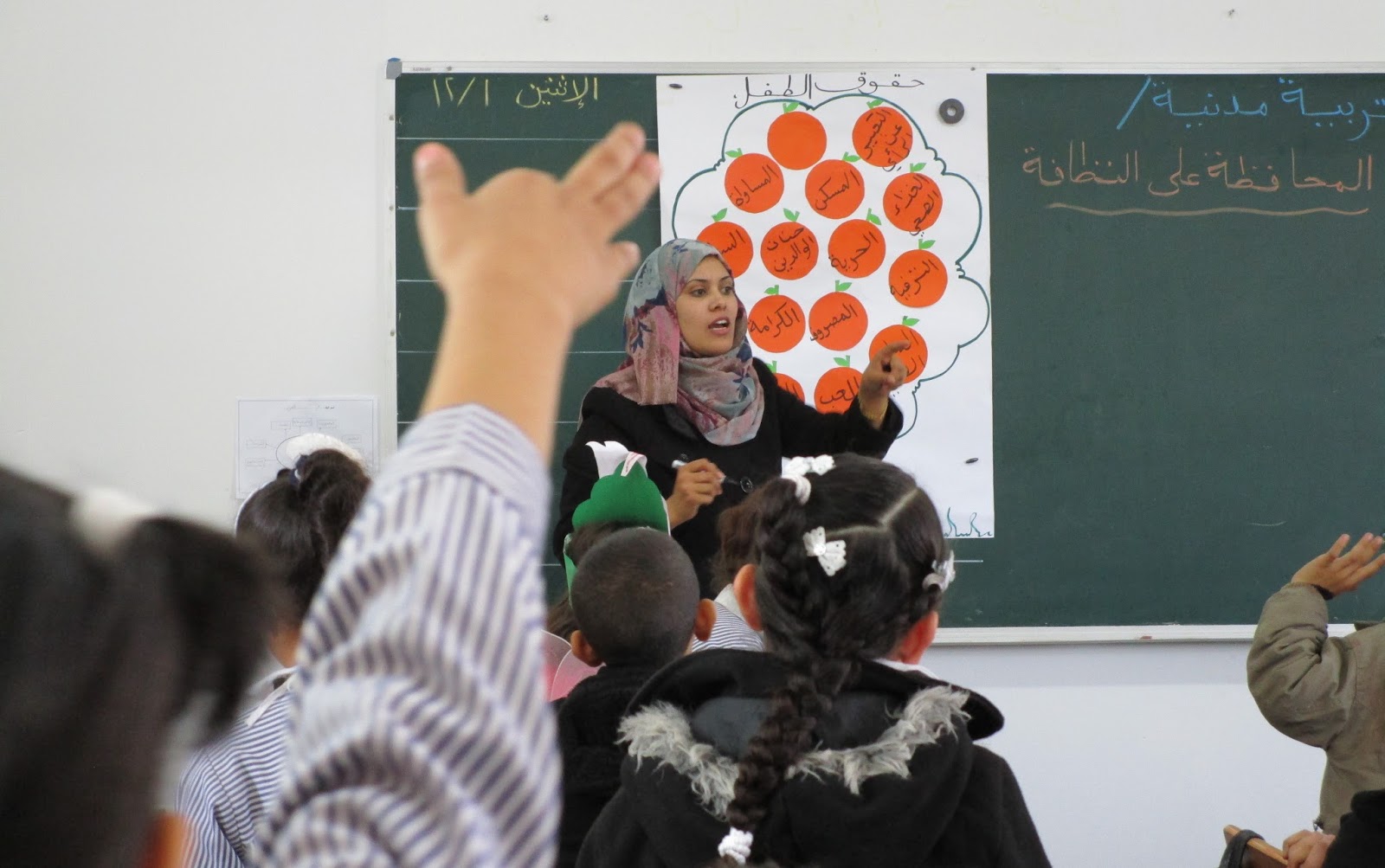 To a cynic, such an activity is meaningless, and if anything gives false hope to children who will more than likely live in poverty for years to come. But human rights education has always been more than learning about rights. It’s about helping create a culture of human rights among all people so that we can live a life of dignity and treat others as we would want to be treated by them. Hoping for a City of Dreams in a place that is so often associated with despair, destruction, and hate gives me reason to believe that today’s children will have the strength to dream and contribute towards a better world than the one we’re living in. If a child can do that while living in Gaza, there’s still hope that they will be kinder than those who today act only through violence.
I guess I’m hoping for a City of Dreams too.
Je t’aime Alexandre, je t’aime Sam.


 paul mcadams - a change is coming